
Latest News

New article alert!

A Follow-up Research Note: 2.4-km Run and 20-m Multistage Fitness Test Relationships in Law Enforcement Recruits After Academy Training
Abstract:
The 2.4-km run and 20-m multistage fitness test (20MSFT) are common aerobic fitness tests in law enforcement. Previous research analyzed relationships between these tests in recruits, and indicated limited transferability due to disparate demands (direction changes and running intensity). However, the correlations between 2.4-km run and 20MSFT in recruits after academy training may be different, where recruits should be fitter and able to complete high-intensity running efforts. This study documented changes in and relationships between the 2.4-km run and 20MSFT in law enforcement recruits after academy training. Retrospective analysis on 6 academy classes (276 males and 50 females) from one agency was conducted. The 20MSFT and 2.4-km run were completed before and after academy training. Estimated VO2max was derived from 2.4-km run time and the 20MSFT shuttle number. Paired-samples t-tests ascertained whether the 2.4-km run and 20MSFT improved after academy. Correlations and linear regression derived relationships between the 2.4-km run and 20MSFT. Recruits improved in the 2.4-km run and 20MSFT (p < 0.01). There were significant correlations between the 2.4-km run and 20MSFT for all recruits (r = −0.49), males (r = −0.48), and females (r = −0.29). However, the regression equations for all recruits (r2 = 0.24), males (r2 = 0.23), and females (r2 = 0.08) were low. The results suggested that there were disparate aspects to the 2.4-km run and 20MSFT in law enforcement recruits after academy training. Although aerobic fitness improved, there are likely other aspects important to the 20MSFT not developed during academy (change-of-direction ability and high-intensity running). This could impact the between-test relationship.

Talking load carriage with ADA
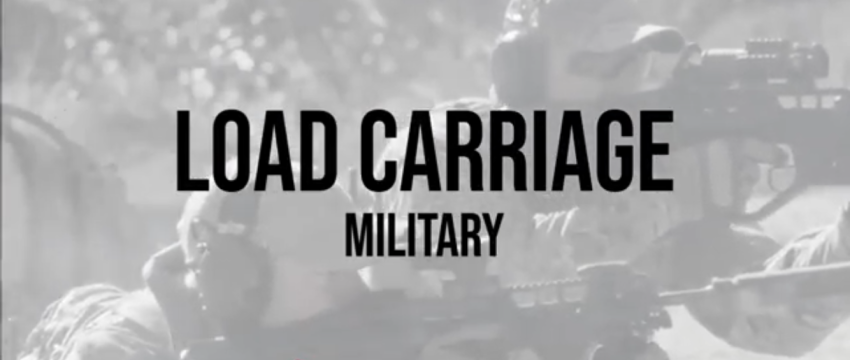
Dr Rob Orr talks military load carriage into the future with Jason Semple from ADA
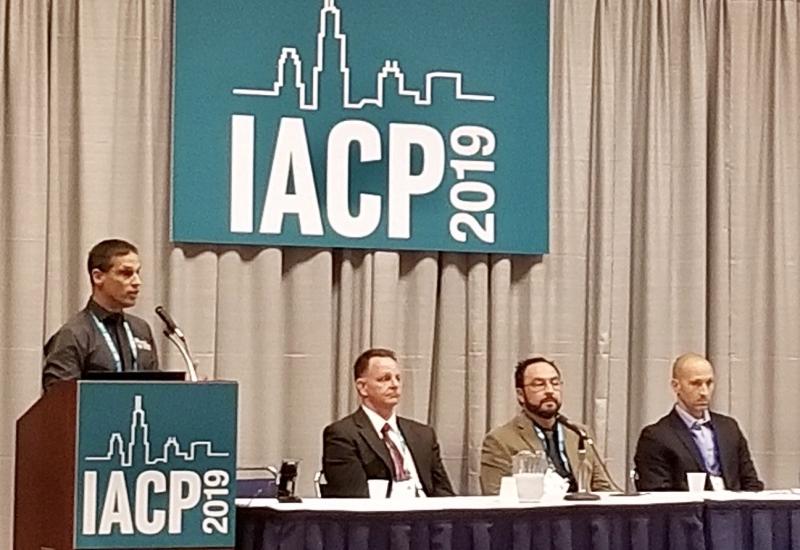
The International Association of Chiefs of Police conference
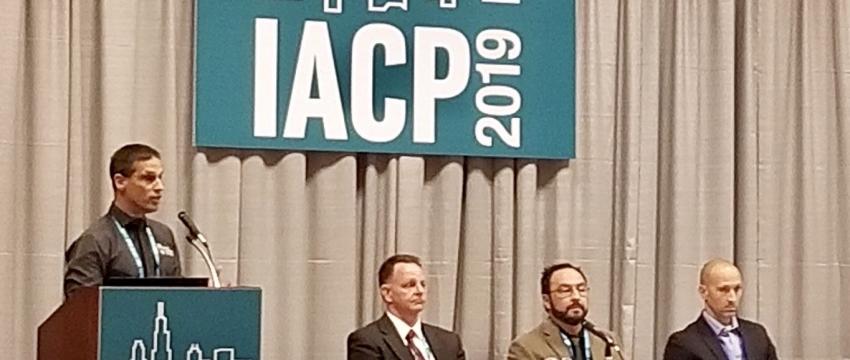
The IACP conference, which has been running for 126 years was attended by around 20,000 delegates, had over 660 exhibitors and was addressed by the President of the United States, Donald Trump. Dr Orr showcased the work conducted by the TRU on fitness assessments and testing, together with TRU collaborators Dr Jay Dawes (Oklahoma State University and Bond Adjunct), Dr Robert Lockie (California State University-Fullerton) and LT Joe Dulla (LA Sheriff’s Department and new HDR student at Bond University) who presented the translation of this research and its impacts on local law enforcement agencies. Presenting in the International Managers of Police Academy College Training (IMPACT) stream the team are already focusing on research to inform next years conference in New Orleans in 2020 with a focus on the successful selection, training, and retention of female police officers.
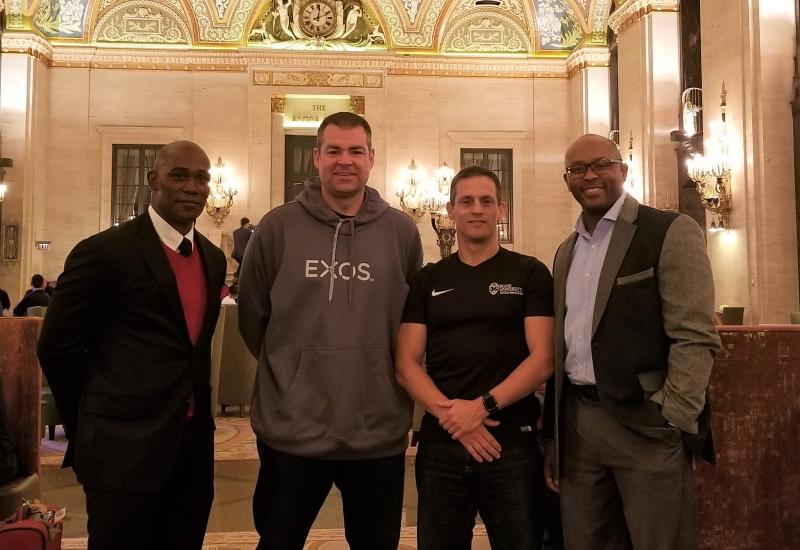
Forensic Institute for Research Security and Tactics (FIRST)

Rob caught up with the infamous Rogerick Green (Manager), Sanfa Johnson (Director of Training), and Rob Kidston (Strength and Conditioning Coach) from FIRST. The FIRST team and facility are dedicated to providing world leading research and evidence based training for law enforcement and fire and rescue. The TRU are looking forward to some great collaborations.
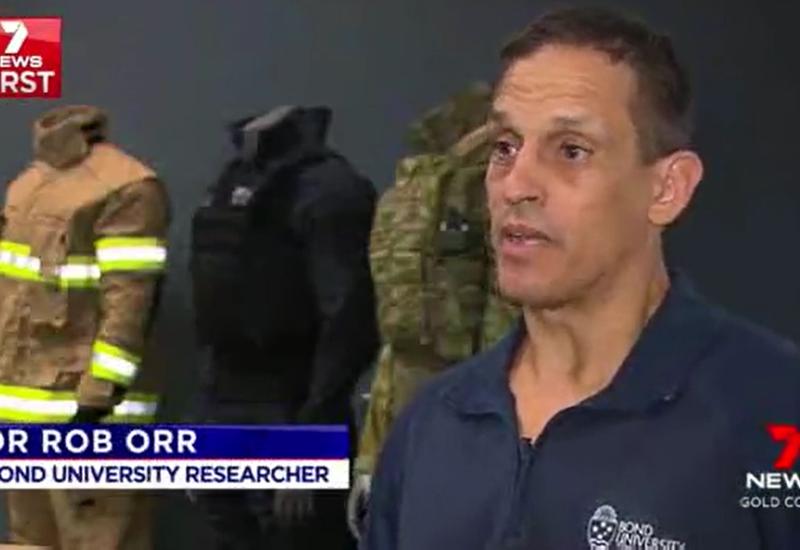
Channel 7 News Interview
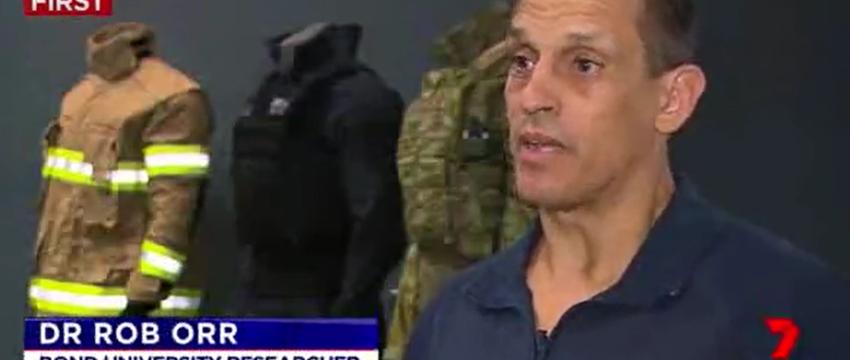
TRU research was recently showcased by Channel Seven. As can be expected there was a little bit of trepidation working with media, but Carly Madsen and the team did a great job.
The interview can be found here:
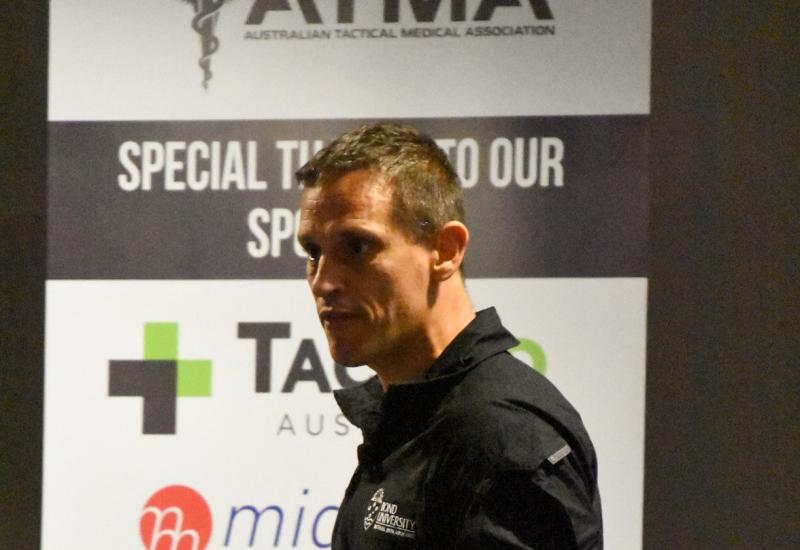
TRU Australian Tactical Medical Association

Dr Rob Orr was honoured to present at the Annual Australian Tactical Medical Association Conference in Brisbane, Australia. Dr Orr presented on load carriage requirements for tactical personnel, including both body worn loads and victim rescue.
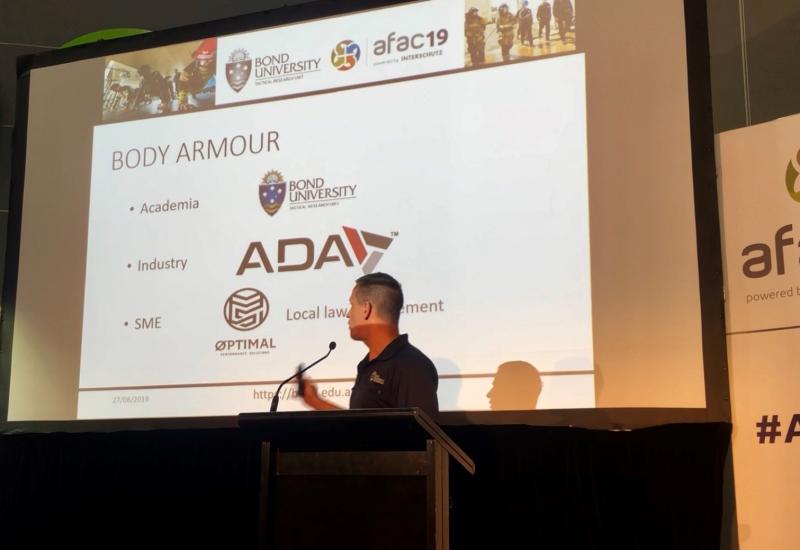
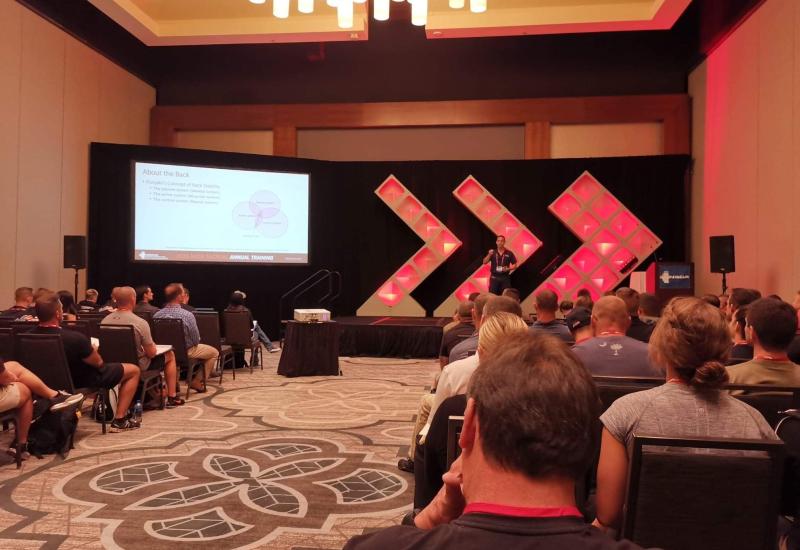
TRU Conference Presentation
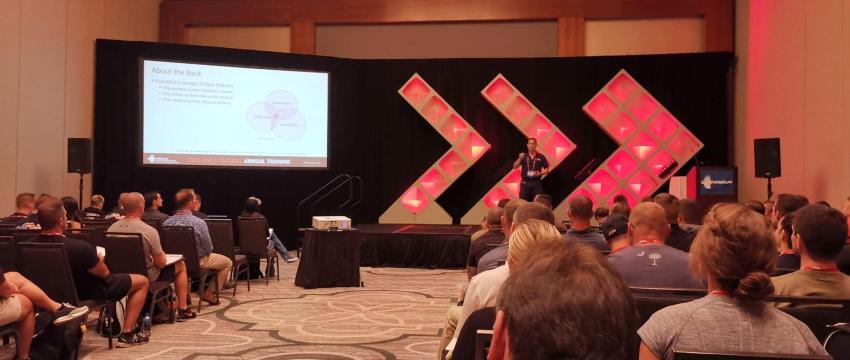
Back Off: Strong Backs From Rehabilitation to Performance
The presentation given by Dr Rob Orr at the NSCA's Tactical Strength and Conditioning Conference in Texas 19 focused on optimising the strength, conditioning and reconditioning of the back for tactical personnel.
The presentation will be uploaded onto the TRU site shortly
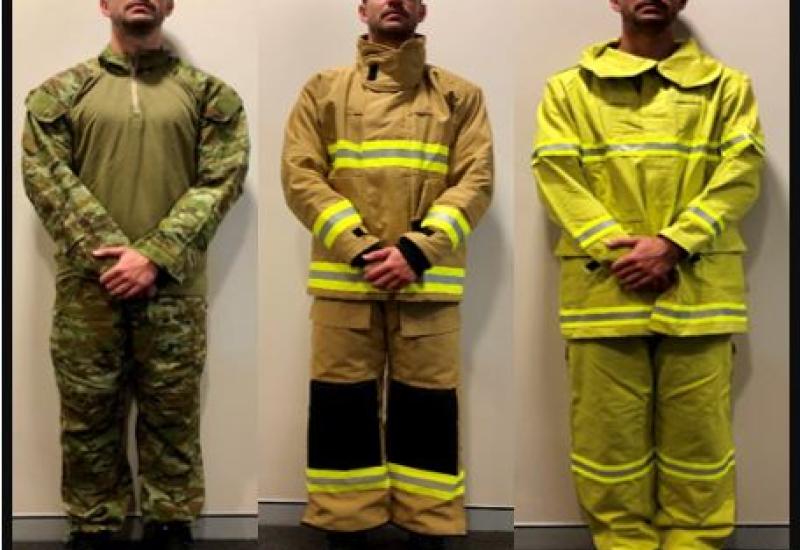
Firefighters: Mobility and Injury Risk
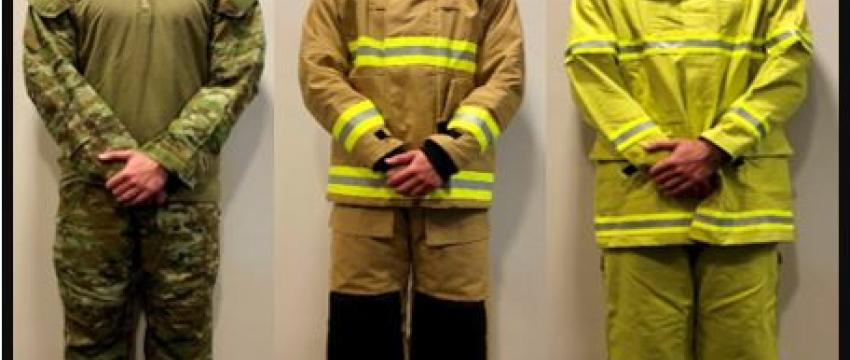
Firefighters: Mobility and Injury Risk.
The team have just returned from collecting data on Firefighter mobility whilst wearing three different clothing variations (in addition to station wear) and three different boot combinations. This study will look at the risks to movement (and potential slips, trips and falls) imposed on firefighters by their clothing and aims to help industry optimise future clothing design.