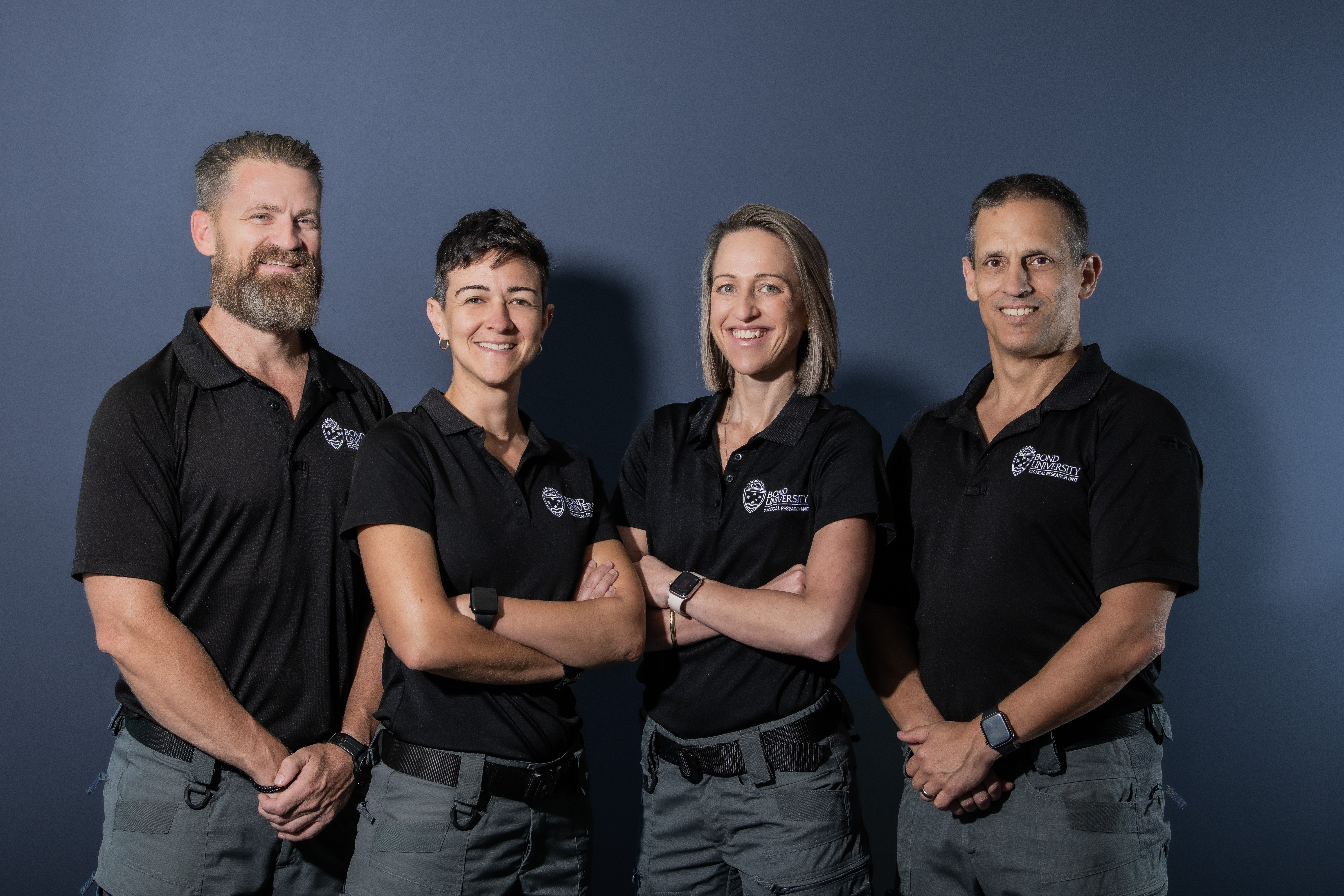

The TRU Team
The TRU team is composed of well-regarded, experienced and expert researchers, practitioners and educators.
Most of our key staff have first-hand experience in the tactical environment having served in, or with, Defence, law enforcement or fire and rescue.
Our national and international collaborators have diverse qualifications, skill sets and service history, proving the TRU the capacity to provide expert services across an array of tactical topics.
Staff
TRU Staff
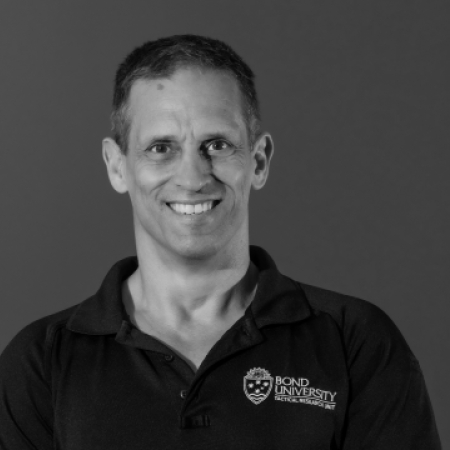
Dr Rob Orr
Dr Rob Orr began his career in the Australian Army as an infantry soldier, later transitioning to the Physical Training Instructor and physiotherapy streams. Retiring for service as a Human Performance Officer, he joined Bond University, where he now leads the Tactical Research Unit; a globally connected centre collaborating with academia, industry, and operational agencies.
Professor Orr’s research, consultancy, and training delivery focus is on load carriage, physical conditioning, rehabilitation, and injury prevention for tactical populations including law enforcement, military, firefighters, paramedics, and first responders. His work spans the full occupational lifecycle, from trainees to specialists.
He served as editor for the NSCA Tactical Strength and Conditioning Technical Report (2015–2020) and has contributed to international committees and congresses including the International Physical Employment Standards Conference and International Congress on Soldiers’ Physical Performance.
With over 300 peer reviewed research publications and 73 Technical Reports, Professor Orr has has received multiple awards for research outcomes, publications, presentations, and teaching. He has delivered keynotes at leading institutions worldwide and is currently ranked among the 10th in the world for research studies in law enforcement, and is in the the top 2% of cited researchers internationally.
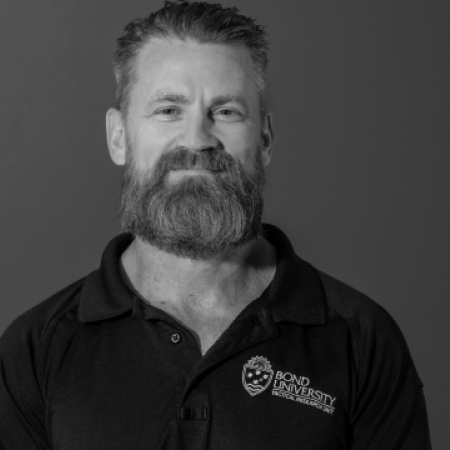
Dr Ben Schram
Dr Ben Schram is an Associate Professor in the Faculty of Health Sciences & Medicine at Bond University and serves as the 2IC and Research and Data Coordinator for the Tactical Research Unit. With a PhD in Physiotherapy and a background in exercise science, Dr Schram’s work focuses on optimizing health, performance, and safety for tactical populations such as military, police, and emergency services personnel.
He has been successful in obtaining nearly $2 million in funding, investigating injury reduction, profiling fitness and occupational performance standards, particularly for specialist police. Dr Schram has published extensively in peer-reviewed journals and collaborates with international agencies to improve evidence-based practices for tactical readiness. In addition to his research, Dr Schram has over 13 years of teaching experience in Bond’s Doctor of Physiotherapy program, specializing in musculoskeletal physiotherapy and rehabilitative exercise.
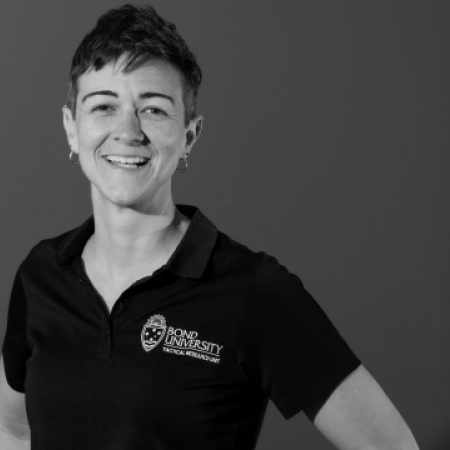
Dr Elisa Canetti
Dr Elisa F. D. Canetti is an Assistant Professor of Physiotherapy at Bond University and a senior researcher in the Tactical Research Unit (TRU), where she also serves as Project Manager and Logistics Coordinator. Her research focuses on occupational health and performance in tactical populations, contributing to over 130 peer-reviewed publications and securing more than $1.6 million in competitive funding. Dr Canetti leads TRU’s research stream on stress and cognitive load, using simulation-based methods to explore how psychological, physical, and heat stress influence decision-making and cognitive performance in tactical populations, particularly firefighters.
Originally trained as a physiotherapist in Brazil, she holds a Master’s in High Performance Science and a PhD in exercise immunology and iron metabolism. Dr Canetti has extensive teaching experience across anatomy, exercise physiology, and health research methods, and supervises higher degree research students, supporting applied and interdisciplinary evidence-based practice.
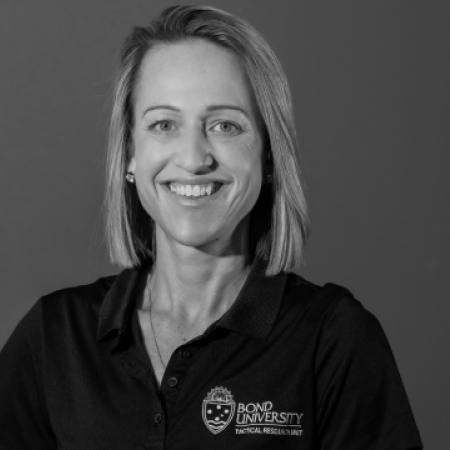
Lizzie Marsh (née Cooper)
Lizzie Marsh (née Cooper) holds a Bachelor of Sport and Exercise Science and a Doctor of Physiotherapy and is currently an Assistant Professor at Bond University. She brings over 12 years of clinical experience in private practice, including a decade as a business owner, before transitioning into full time academia. Lizzie now serves as the Academic Coordinator of Clinical Education in the Doctor of Physiotherapy program at Bond University, where she oversees the management and allocation of more than 500 clinical placements each year.
Within the Tactical Research Unit, Lizzie manages the coordination of research focused on Paramedics. She is undertaking a PhD investigating the unique demands of Wilderness Paramedics in Tasmania. Her program of research aims to better understand the occupational risks, physical fitness requirements, and injury mitigation strategies relevant to this highly specialised workforce, with the goal of informing evidence-based approaches to support and sustain their operational readiness.
Adjuncts
Dr Rodney Pope
Dr Rod Pope is currently a Professor of Physiotherapy at Charles Sturt University, an Honorary Adjunct Professor at Bond University and co-leads the Tactical Research Unit headquartered at Bond University. Rod provided clinical physiotherapy, rehabilitation, and injury prevention services at the Australian Army Recruit Training Centre for 10 years before establishing and leading the Australian Defence Injury Prevention Program 2000-2006, at the request of the Defence Health Service Branch. In this role, he worked closely with Defence health staff, commanders and senior Physical Training Instructors to address injury risks for ADF personnel and optimize physical aspects of training practices. As part of this work and more recently in his university roles and work with the Tactical Research Unit, Rod has conducted and supervised wide ranging research and consultancy projects on preventing injuries and enhancing performance during physical activity in numerous tactical training and operational contexts.
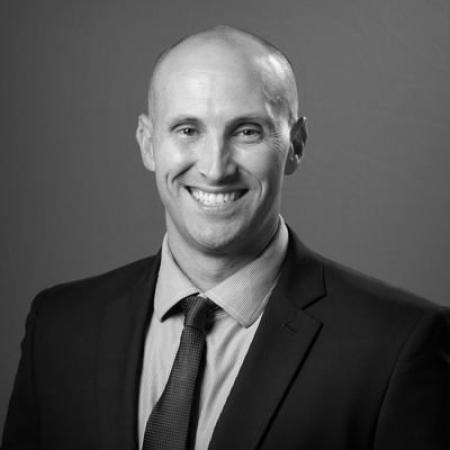
Dr Jay Dawes
Dr Jay Dawes is an Assistant Professor of Strength and Conditioning at the Oklahoma State University. Jay has worked as a strength/performance coach, personal trainer, educator and post-rehabilitation specialist for over 15 years, and continues to act as a performance consultant for law enforcement officers, a wide-variety of athletes, and those in physically demanding occupations. He is certified by the National Strength and Conditioning Association (NSCA), the American College of Sports Medicine, and the Australian Strength and Conditioning Association as a Level 2 S &C coach. Jay’s dedication and work led to recognition as a Fellow of the NSCA (FNSCA) in 2009. With multiple publications in law enforcement, Jay’s work has spanned from the initial officer recruit to Special Weapons and Tactics Teams.
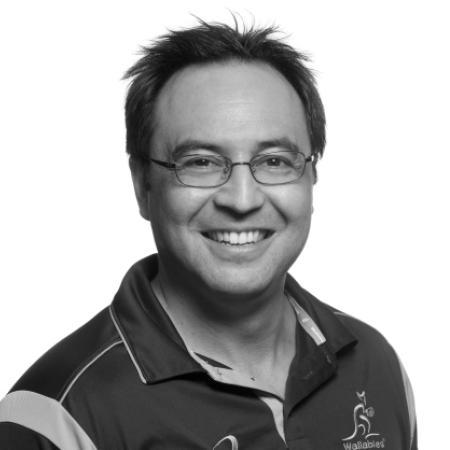
Dr Robert Lockie
Dr. Robert Lockie is an Assistant Professor in Strength and Conditioning (S&C) at California State University, Fullerton. He obtained his undergraduate and Honors degrees in Human Movement from the University of Technology, Sydney (UTS). Dr. Lockie also completed his PhD at UTS, within research that analyzed the sprint technique and strength and power capacities of field sport athletes. He previously worked at the University of Newcastle as a Biomechanics lecturer, and an Assistant Professor in Biomechanics and S&C at California State University, Northridge. Dr. Lockie has research interests in speed and agility, strength training, and sports performance. More recently, Dr. Lockie has conducted research in the field of tactical S&C. This involves work with: first responders (law enforcement, firefighters), correctional, and military populations. This research has focused on performance aspects of tactical populations as it relates to academy survivability and job-specific tasks, in addition to injury prevention and career longevity.
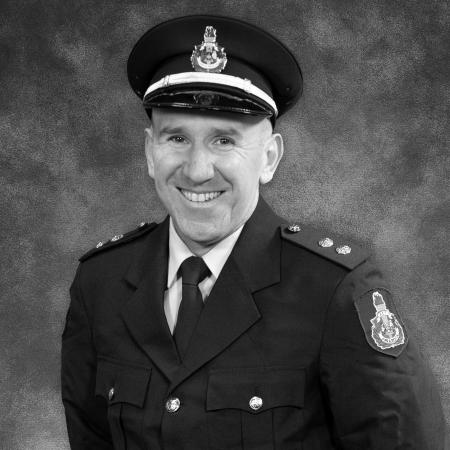
Dr Anthony Walker
The TRU has welcomed their new Adjunct, Dr Anthony Walker from ACT Fire & Rescue to the team. With over 15 years operational experience, Anthony is currently the Director of Health and Fitness for the ACT Emergency Services Agency (ACT ESA) and is tasked with developing an agency wide health and fitness program covering both paid and volunteer services. Anthony completed his PhD on “maximising the safety and performance of urban firefighters working in the heat” and has worked with agencies worldwide to develop policies and practices aimed at maximizing the performance of tactical personnel operating in extreme environments. Several research projects, including the funding of a PhD student by ACT ESA and co supervised by Dr Walker, are in the works.
Higher Degree Research Students
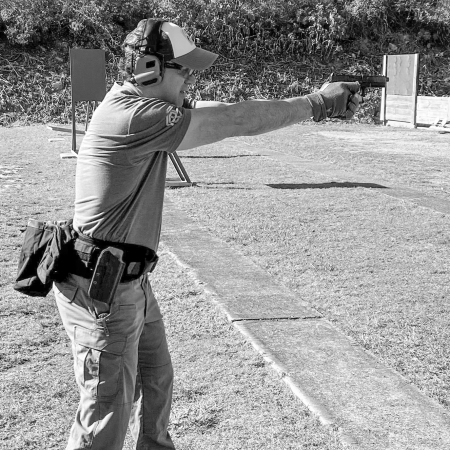
Nathan Andrews
Can competence achievability in Law Enforcement firearms training and assessment be defined and predicted.
This research will examine key elements of Law Enforcement Use of Force training and assessing, including the methodology used by Law Enforcement organisations to determine the appropriate Use of Force standards used to determine member competency. Research will also look to develop an innovative protocol for determining Use of Force psychomotor skill complexity, to examine the impact complexity has on skill assimilation, retention and decay, and the frequency of in-service training requirements.
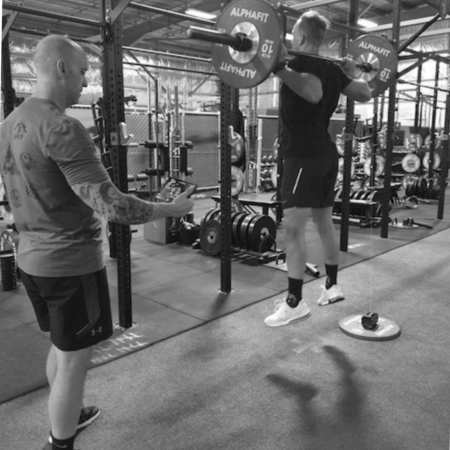
Jeremy Robinson
Developing an occupationally-relevant physical fitness assessment for Specialist Tactical Response police officers.
The aim of this program of research is to develop and validate an occupationally- relevant fitness assessment framework for Specialist Tactical Response police officers. Current assessments under review include the anaerobic, repeated-effort, Urban Rush and longer distance pack marches, all with full occupational and role- relevant loads.
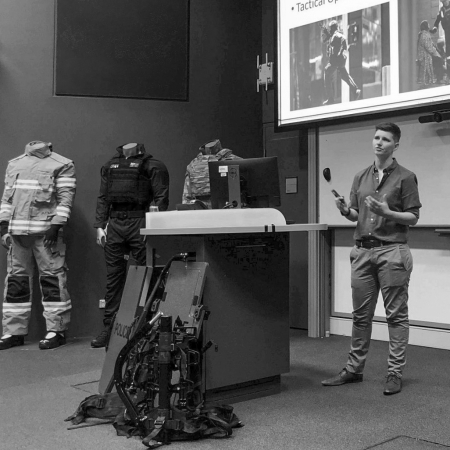
Kate Lyons
Profiling the tasks of a Tier 2 Police Unit
This program of research aims to determine the current profile of job tasks undertaken by an Australian Tier 2 police unit. The project will investigate the common and critical tasks performed by the unit, the injuries sustained from these tasks and the physiological requirements to undertake the tasks.
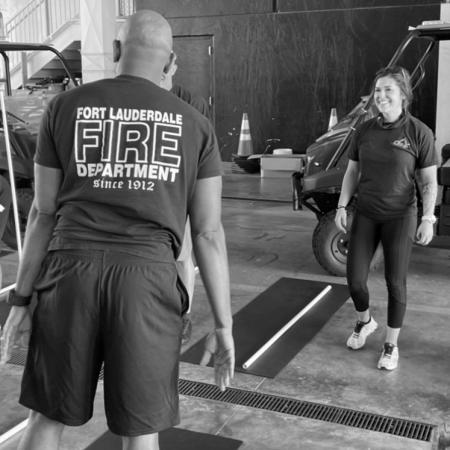
Whitney Tramel
Examining objective and subjective measures of physiological stress in tactical personnel in stressful environments and tasks.
Tactical personnel are exposed to a number of high stress situations and environments throughout the course of their career, ranging from daily operational demands to environmental extremes and intense physical stimuli. Additionally, operators often face challenges with high psychological demands. The operator’s long-term health and resilience are dependent upon their ability to tolerate these demands and respond to stressors over time. This demonstrates a need for monitoring stress measures faced by tactical operators to perform optimally.
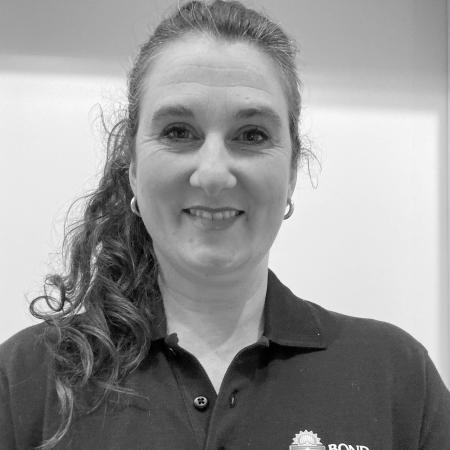
Sandra Adiarte
Eyes on the Target: Assessing and Training Tactical Personnel in Threat Assessment via Structured Behaviour Observation.
This program of research will apply an interdisciplinary and mixed method approach assessing the training and investigating the practices of behaviour and observation-based threat assessment via human observers in law enforcement and military personnel. International experts will be interviewed to account for practice-based and field-oriented research. The aim is to investigate the chances and challenges of using structured behaviour observation, to mitigate risks with competency, when facing impending violent behaviour and acute threats while on duty.
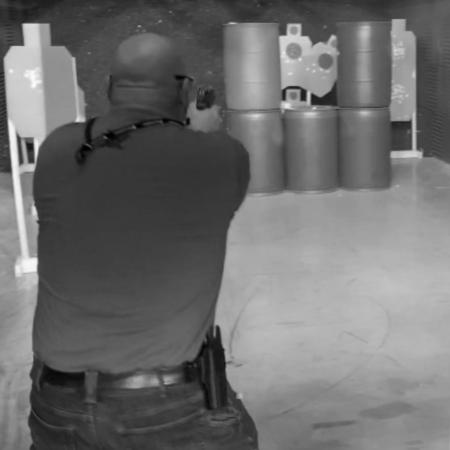
Mark Stephenson
Tactical Performance Under Stress: Understanding the effects of the Autonomic Nervous System during Simulated Police task.
This research will examine the affects that acute stress has on tactical performance. Research will assess the psychophysiology (EEG, ECG, HRV, HR, BR, etc.) of police officers while executing tactical skills and tasks (e.g., marksmanship, use of force, tactical decision-making, threat de-escalation) under high pressure and threat. The research will also explore various methods to manipulate the psychophysiology while under threat.
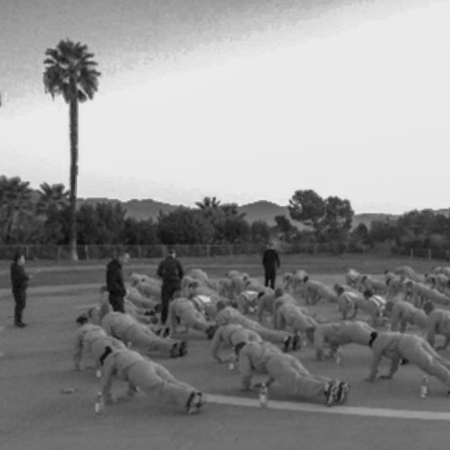
Joseph Dulla
Optimizing the Training Outcomes of Law Enforcement Recruits Though Provision of an Evidence-Based Physical Training Approach.
The aim of this program of research is to optimize the training outcomes of Law Enforcement recruits though provision of an evidence-based physical training approach. Given the concerns raised in regard to a diminishing pool of available recruits entering law enforcement, lower levels of fitness of those entering (which increases injury and attrition risk), unstandardised and non-individualised physical training approaches, there is an extreme need for optimised, efficient, and evidence - based physical training programs to be develop that, not only prepare United States Law Enforcement academy recruits for the physical demands of the role, but also ensures that recruits complete training safely to enter service as LE officers.
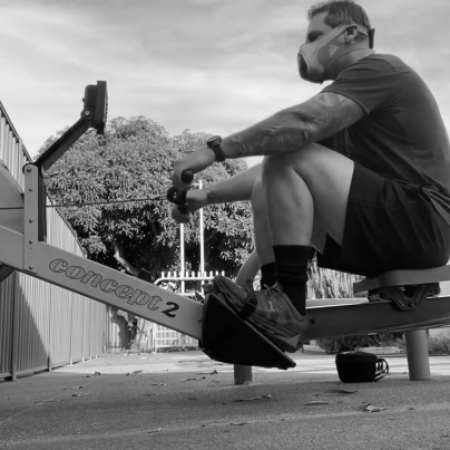
Eane Watson
Enhancing Firefighter Performance: Investigating Breathing Techniques for Air Efficiency and Safety.
Given that Firefighters often operate under extreme physical and psychological stress, developing effective breathing methodologies is crucial to improving safety, survivability, and performance. This research aims to investigate structured breathing techniques that may enhance firefighters' operational effectiveness while using SCBA. The study seeks to identify whether training can enable firefighters to use available air more efficiently, extend working duration, and increase margins of safety.
While the primary focus is on operational breathing efficiency, early studies suggest breathing techniques may also play a role in mitigating post-incident health risks, particularly cardiac events linked to exertion, toxin exposure, and physiological stress. Though outside the immediate scope of this research, findings may provide a foundation for future inquiry into long-term health benefits of structured breathing training.
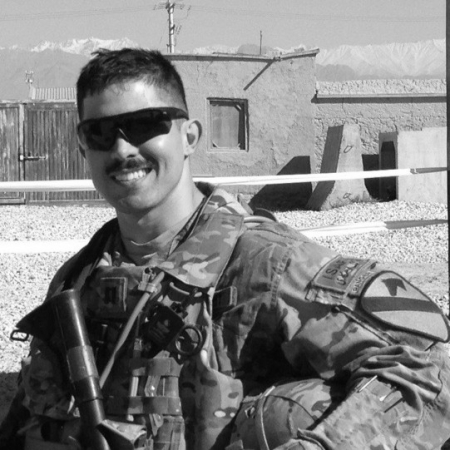
Michael Conner
Cardiorespiratory Fitness and Occupational Lifespan in Structural Firefighters.
This program of research examines how cardiorespiratory fitness (CRF) influences injury risk during academy training and across a firefighter’s career, as well as the development of cardiometabolic and other chronic disease. This research aims to quantify the effect of CRF on time-to-injury and disease incidence, identify practical CRF thresholds, and estimate the risk reduction associated with improved CRF. The intended outcome is to deliver standards-ready guidance for annual health/fitness screening and training progression so departments can prevent avoidable harm, extend careers, and keep firefighters mission-ready.
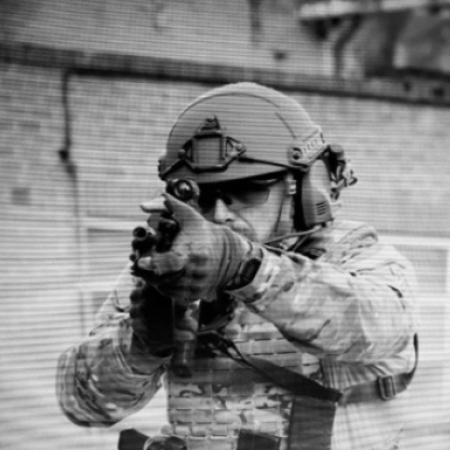
Shane Irving
Employing an Occupationally Relevant Fitness Assessment for Specialist Police in Urban Operations
This doctoral research investigates the occupational role scope and physical performance requirements of specialist tactical law enforcement personnel, including Police Tactical Groups (PTGs), Counter-Terrorism Response, and Special Weapons and Tactics (SWAT) units. These elite teams perform high-risk missions demanding exceptional physical proficiency, cognitive resilience, and operational precision under significant physiological load. The research maps the most common mission tasks, such as high-risk warrant execution, non-compliant apprehension, and extended-duration load carriage to define the physical profile required for optimal performance and readiness. Recognising that injury and fatigue threaten capability in these finite workforces, the study examines how evidence-based, occupationally relevant fitness assessments can enhance recruitment, conditioning, and injury prevention. This work contributes to developing sustainable, data-informed human performance frameworks to improve readiness and reduce injury across specialist tactical populations.
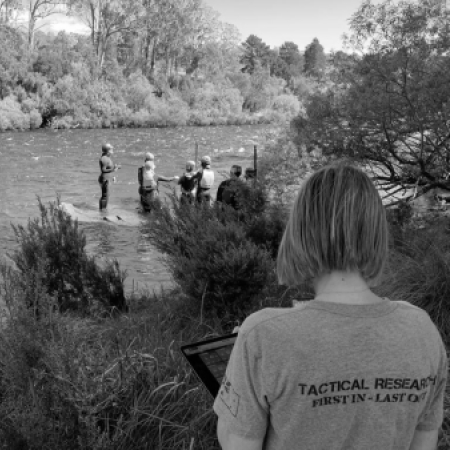
Elizabeth Cooper / Marsh
Profiling the tasks and fitness requirements of Wilderness Paramedics
This research program aims to determine the current profile of job tasks undertaken by an Australian Wilderness Paramedic unit from a state ambulance service. The project will investigate the common and critical tasks performed by the unit, the injuries sustained from these tasks, and the physiological requirements to undertake the tasks.
Higher Degree Research Completions
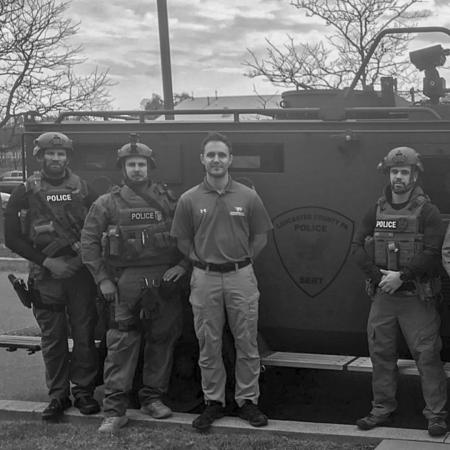
Colin Tomes
Thesis title: Integrating Heart Rate Variability into Specialist Police Training.
Specialist Police are subject to extraordinary demands in both their missions and training. Much like professional athletes, these individuals may suffer injuries or ill health from the rigor of their jobs. Colin's research aims to bring the measurement of heart rate variability, or HRV, to police and military units. HRV, while simple to measure, is a powerful window into the complex mechanisms regulating the brain and heart, and how the body responds to physical and mental stress.
Read his thesis here: https://research.bond.edu.au/files/227216855/Colin_Tomes_Thesis.pdf
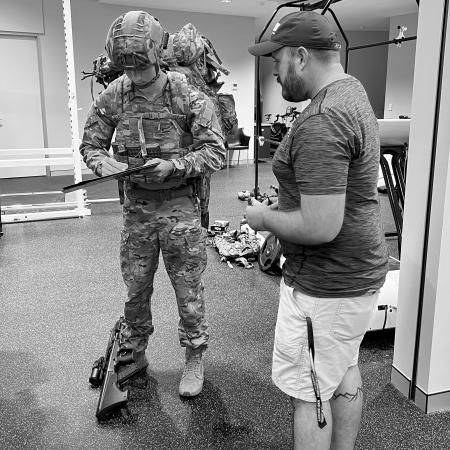
Dustin Kidd
Public and Police officer perceptions on different clothing and equipment configurations.
This aim of this program of research is to investigate the impacts of various body armour and equipment configurations (including overt versus covert systems). In addition, the work will seek to gain insights into both public and police officer perception on the aesthetics of different various body armour and equipment configurations.
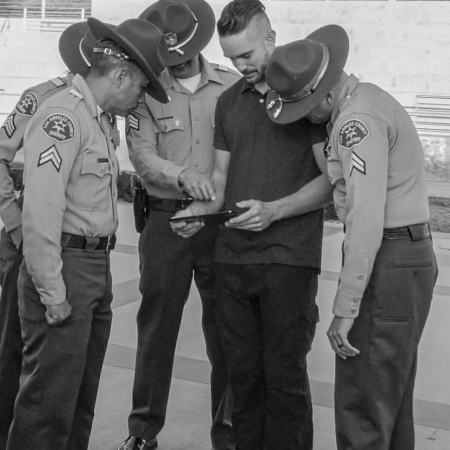
Danny Maupin
Tracking Training Load in Tactical Populations.
Tactical populations often utilise periods of training, such as academies or boot camps, to teach necessary skills and develop physical fitness. These training periods are mentally and physically demanding, leading to high rates of injuries in recruits. This program of research aims to examine how optimal workloads during police academies can reduce injury risk while still developing fitness.
Read his thesis here: https://pure.bond.edu.au/ws/portalfiles/portal/167014445/Daniel_Maupin_…
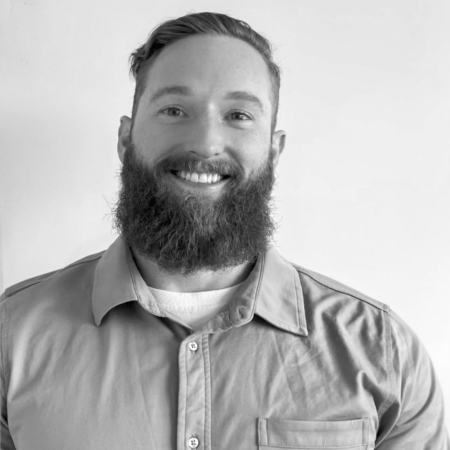
Graham Marvin
Predicting job performance by measuring fatigue levels in emergency services.
This project aims to identify factors that contribute to fatigue both mentally and physically. Once identified, how fatigue levels are measured and whether they can be used to predict the ability of personnel to maintain safe work habits will be determined. The end state of this research is aimed at informing work and rest ratio planning, training load optimization and injury reduction strategies.
Spacing
Prospectus
Let us help you with your next project.